Water Directed Away Before Damage Occurs
Grading & Drainage Solutions in Albion for properties with standing water, erosion problems, or inadequate runoff control
Properties that hold water in low spots after rain, develop erosion channels along slopes, or direct runoff toward foundations create ongoing maintenance headaches and structural risks that worsen with each weather event. Grading adjusts ground slope to move water away from buildings and toward appropriate discharge points, while drainage improvements like swales and catch basins manage runoff volume during heavy storms common in Michigan. J.L. Simmons Excavating LLC designs and installs grading and drainage systems in Albion that address existing water problems, managing surface flow and preventing erosion before it undermines driveways, foundations, or landscaping. You notice the change immediately during the next rain when water flows away from structures instead of pooling near foundations or washing soil across your property.
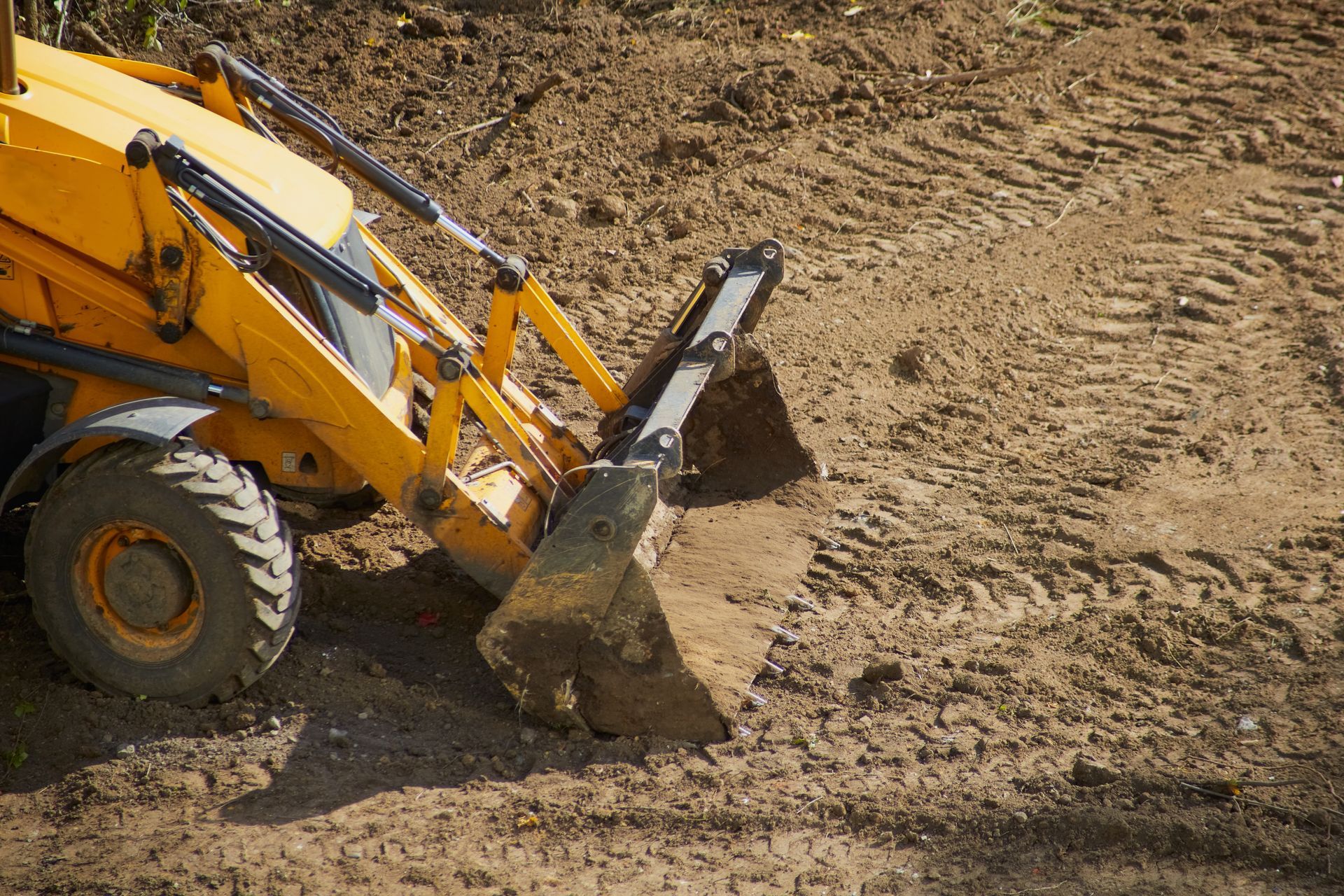
Rough grading establishes primary site elevations and slope directions, creating positive drainage away from buildings at a minimum two percent grade that moves water reliably without causing erosion. Drainage correction adds swales, berms, or graded channels where natural topography doesn't provide adequate runoff paths, directing water to proper discharge areas or stormwater systems.
Arrange an on-site drainage evaluation to identify water flow patterns and problem areas during wet conditions.
Why Water Management Requires Slope and Structure
Effective drainage correction combines surface grading that directs water along predictable paths with structural features like swales that convey higher volumes without causing erosion, using calculated grades and cross-sections that handle storm events typical for Albion. Erosion control incorporates slope stabilization and vegetation where needed to prevent soil loss, while water runoff management considers both immediate property drainage and how discharge affects adjacent areas or municipal systems.
After grading and drainage work is finished, water moves across your property along defined pathways rather than spreading randomly, low areas no longer hold standing water for days after storms, and slopes remain stable without developing erosion channels or washouts. Foundations stay dry because runoff is intercepted and redirected before it reaches building perimeters, and driveways or walkways don't undermine due to concentrated flow cutting beneath their edges.
Drainage solutions also account for seasonal conditions, including spring snowmelt and fall rain that together deliver the highest annual water volumes in Michigan. Systems are sized for these peak events rather than average rainfall, preventing overwhelmed swales or grading that only works during light storms.
What Property Owners Usually Ask
Homeowners dealing with water issues in Albion frequently ask about grading effectiveness and drainage options.
How much slope is needed for effective drainage?
Minimum slope for reliable surface drainage is two percent, which translates to a two-inch drop over ten feet of horizontal distance, with steeper slopes used where space allows or where faster water movement is needed to prevent pooling.
What is a swale and when is one necessary?
A swale is a shallow drainage channel with sloped sides and a graded bottom that conveys water across properties where natural topography doesn't provide drainage paths, used when surface grading alone can't move water efficiently without causing erosion or flooding.
How does Michigan clay soil affect drainage solutions?
Clay soils in Albion drain slowly because water infiltrates at lower rates than sandy soils, making surface grading and runoff conveyance more critical since water can't simply soak into the ground during heavy storms.
What causes erosion to develop on previously stable slopes?
Erosion starts when water concentrates into channels rather than flowing as thin sheets across slopes, often due to inadequate grading, vegetation loss, or increased runoff from new construction or paved surfaces uphill from the erosion area.
When should drainage improvements be installed relative to landscaping?
Drainage grading is completed before final landscaping since grading equipment would damage finished plantings, with final topsoil placement and seeding occurring after drainage structures and slopes are established and stabilized.
J.L. Simmons Excavating LLC addresses drainage problems with grading and structural solutions tailored to your property's topography and water flow patterns. Contact us at (248) 818-9881 to discuss drainage concerns and schedule a site review.