
Soil Coverage That Prevents Washout
Lawn Seeding & Straw Installation in Albion for erosion control and grass establishment on bare ground
Bare soil exposed after grading or construction erodes quickly during rain, washing seed and topsoil into drainage systems or onto paved surfaces before grass can take root. J.L. Simmons Excavating LLC provides seeding and straw installation in Albion, establishing ground cover that stabilizes soil and prevents slope failures on residential sites. Straw installation happens immediately after seeding, creating a protective layer that holds seed in place during watering and reduces surface temperature fluctuations that slow germination.
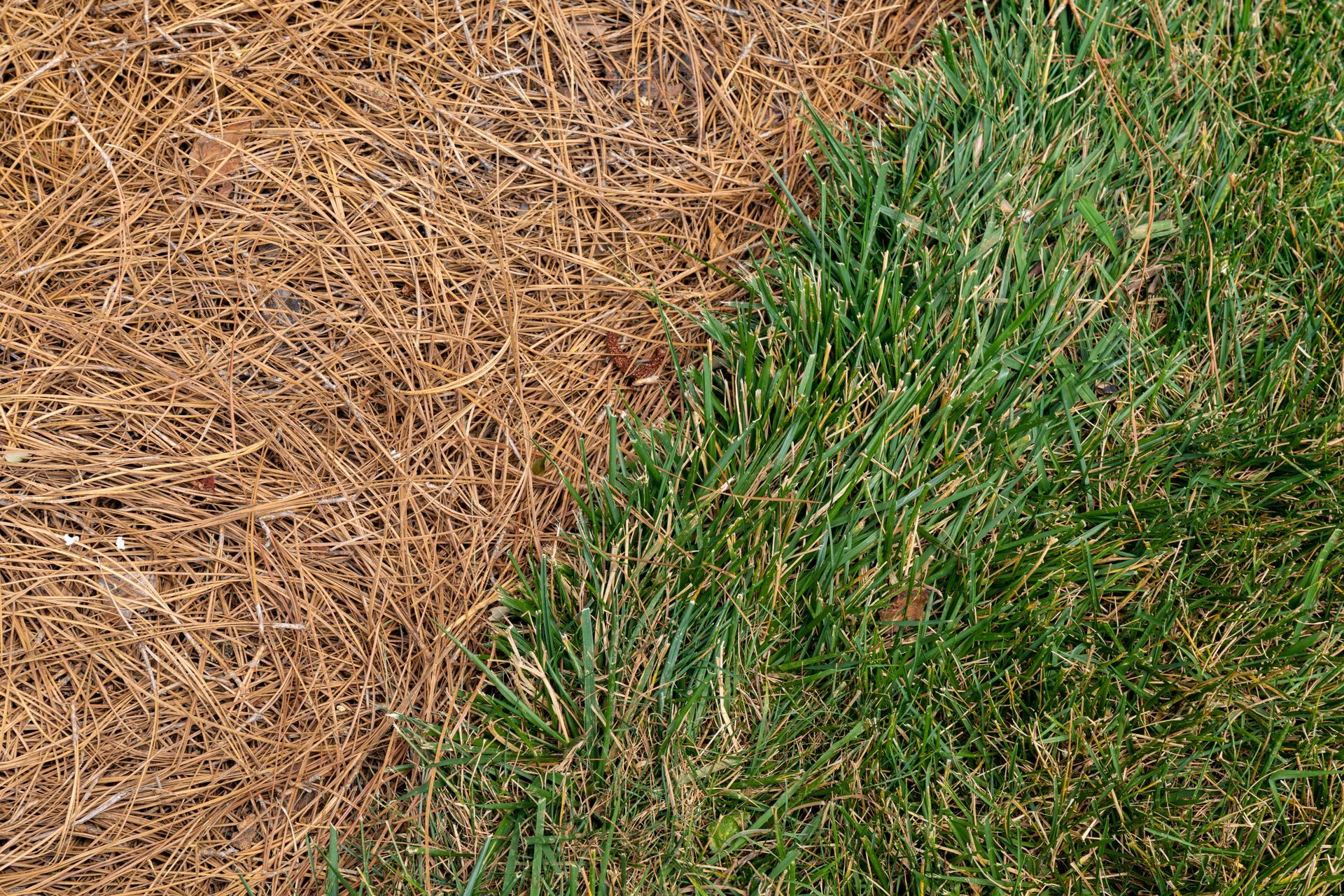
Grass seed is broadcast across prepared topsoil at rates matching soil conditions and sun exposure, typically three to five pounds per thousand square feet for most lawn mixes. Straw is spread evenly over seeded areas, covering roughly seventy percent of the ground surface without forming dense mats that block sunlight or trap excessive moisture against the soil.
Arrange a consultation to review seed selection and straw coverage requirements for your site conditions.
How Straw Installation Addresses Erosion
Straw creates a physical barrier that slows water movement across slopes, reducing the velocity that carries soil particles downhill during storms. The material absorbs some rainfall before it reaches the soil surface, and individual straw stalks create small obstructions that spread water laterally rather than allowing it to concentrate into channels that cut through topsoil layers.
Once grass begins growing, roots anchor soil in place and straw gradually breaks down into organic matter that improves soil structure. You'll notice grass emerging through the straw layer within ten to fourteen days under favorable conditions, and the coverage becomes thick enough to prevent most erosion within six to eight weeks as the root system develops beneath the surface.
Straw installation works for new construction sites, restoration projects after utility work, and yard areas where existing grass has failed or been removed during excavation. The service includes erosion control on slopes where soil movement would otherwise occur before vegetation establishes.
Common Questions About This Service
Clients preparing to seed new lawn areas often have questions about timing and straw application methods.
Why is straw used instead of leaving seed exposed?
Straw holds seed against the soil during watering and rainfall, prevents birds from consuming seed, moderates soil temperature to support consistent germination, and reduces the impact force of raindrops that would otherwise dislodge seed or create surface crusting.
When is the best time to seed lawns in Albion?
Spring seeding typically occurs from late April through May once soil temperatures reach fifty-five degrees consistently, while fall seeding happens from mid-August through September, giving grass time to establish roots before winter and avoiding the heat stress that slows summer germination.
How much straw coverage does a seeded area need?
Straw should cover sixty to seventy percent of the ground surface when viewed from above, enough to provide erosion protection without blocking sunlight that grass seedlings need, and without creating thick mats that stay too wet and encourage fungal problems.
What happens to the straw after grass grows?
Straw decomposes naturally over several months, breaking down into organic material that improves soil structure and water retention, with most visible straw disappearing by the time grass reaches mowing height for the first time.
How does seeding handle slopes compared to flat areas?
Slopes require heavier straw coverage to prevent washout, sometimes supplemented with erosion control blankets on grades steeper than three-to-one, where gravity and water velocity make seed and soil movement more likely during storms.
J.L. Simmons Excavating LLC handles
lawn seeding and straw installation for properties throughout Calhoun County, providing erosion control and grass establishment on new construction sites and restoration projects. Contact us to schedule seeding based on current soil conditions and seasonal timing.